Plano Plumbing
Licensed plumbers for Plano homes and businesses, answered 24 hours a day. Burst pipes, water heaters, slow drains, slab leaks and repipes, with a written price agreed before any work starts.
What Plano Plumbing Handles
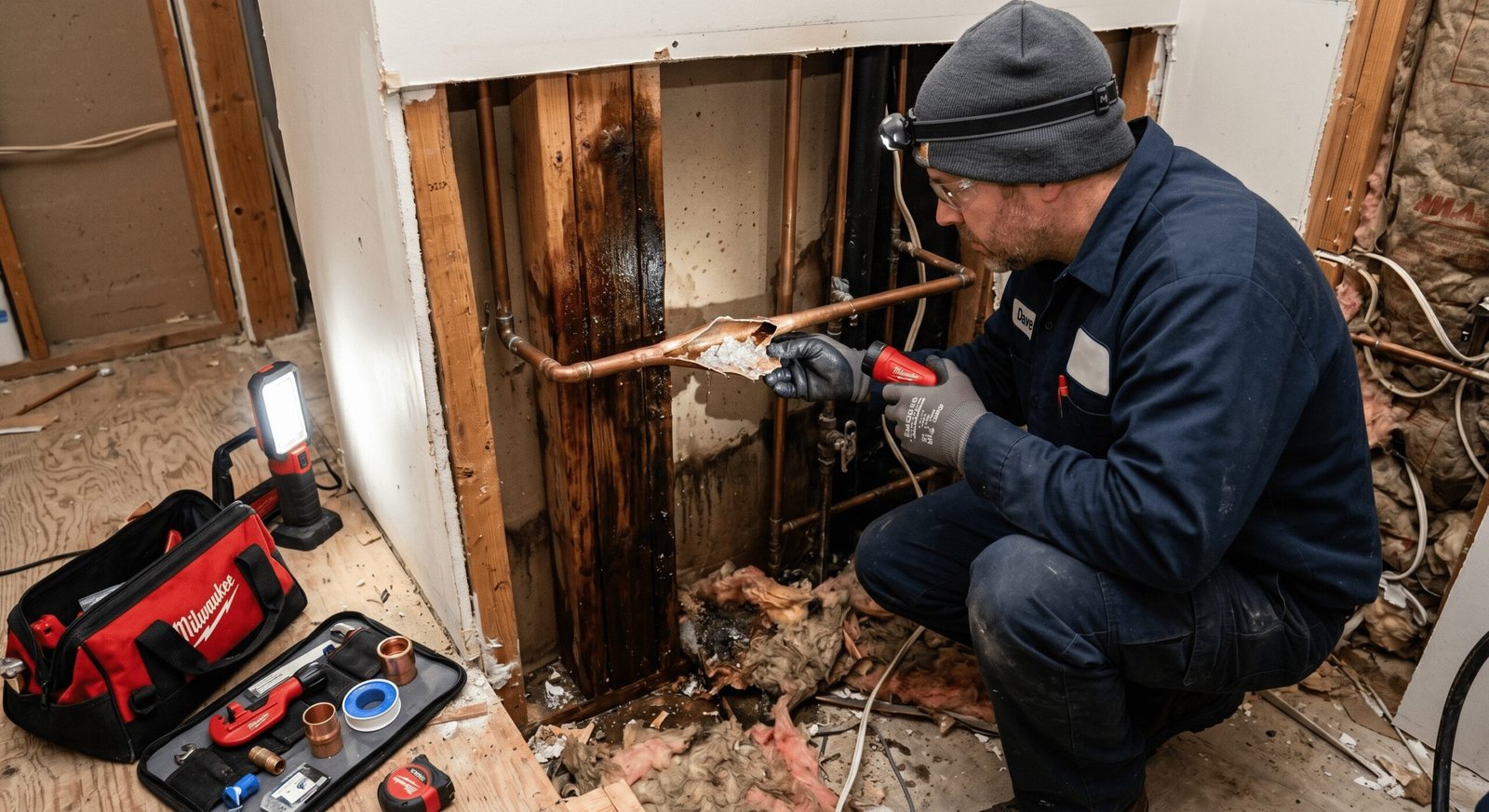
Plano Plumbing dispatches licensed Texas plumbers to every part of the city, from the 1970s ranch houses east of US 75 to the newer builds around Legacy and Willow Bend. One phone line covers emergencies and scheduled work, and the plumber who arrives is an employee working under a Texas plumbing license, not a subcontractor picked off a lead list.
Most Plano Plumbing calls fall into six groups. Each has its own page with the detail, and the short version of what a Plano Plumbing visit covers is below.
Emergency Plumbing
Burst supply lines, a water heater that let go, sewage coming up a floor drain, no water at all. Answered 24/7, with an arrival window given on the phone rather than a callback promise.
Water Heater Repair
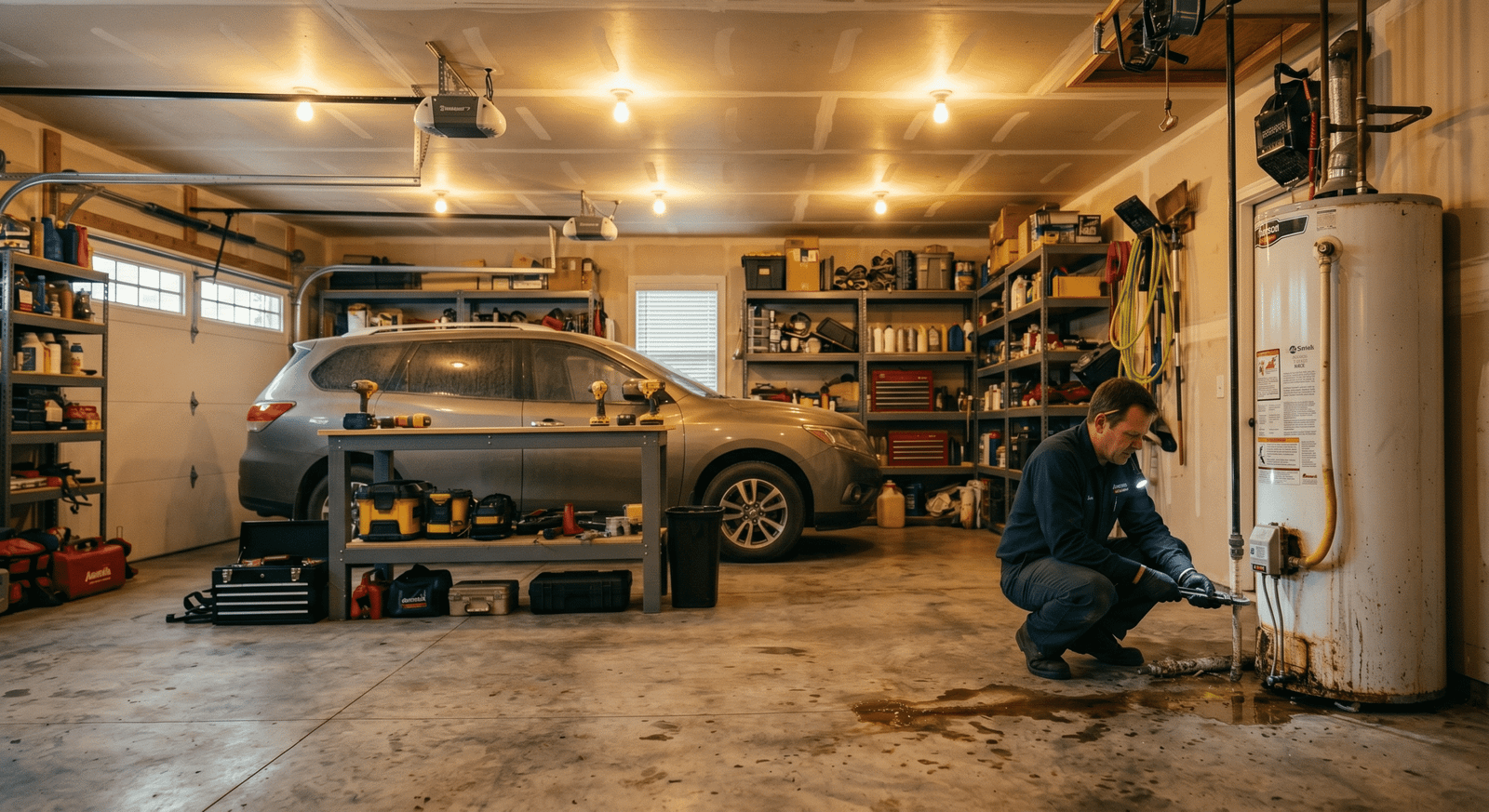
Tank and tankless, gas and electric, in the garage or the attic. Repair when repair makes sense, replacement sized to the house when it does not.
Drain Cleaning
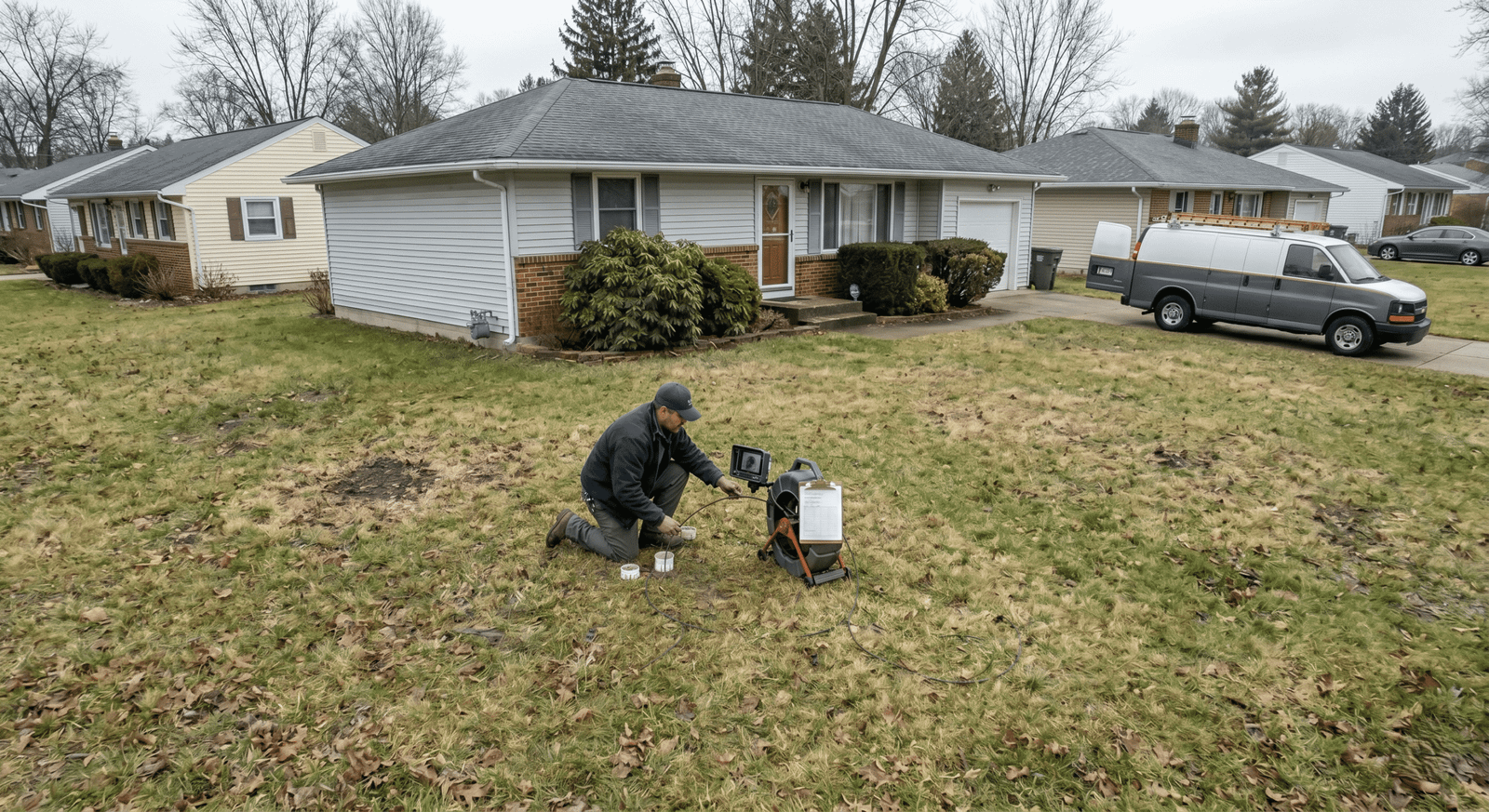
Kitchen lines, tubs, laundry drains and the main. Cabled open, then checked on camera so the reason it clogged is found, not just the clog.
Leak & Slab Leak Detection
A doubled water bill, a warm spot on the floor, the meter spinning with every tap off. Located with acoustic and pressure equipment before anything is cut open.
Sewer Line Service
Camera inspection, root cutting, hydro jetting and spot or full replacement of failing clay and cast iron sewer lines.
Repipes & Gas Lines
Whole house and partial repipes in PEX or copper, polybutylene replacement, and gas line testing, repair and new runs for ranges, dryers and generators.
Back In Service Today
Most Plano water heaters sit in the garage or the attic. Either way, the plumber sizes the replacement to the house and brings the pan, drain line and venting up to code.
Why Plano Plumbing Gets Called
Plano grew fast, and the plumbing in a house usually tells you which decade it was built in. The older neighborhoods east of US 75, around downtown and Haggard Park, have houses from the 1960s and 1970s with cast iron or clay sewer lines and copper supply that has now been in the slab for fifty years. The big build out of the late 1970s through the mid 1990s, which covers most of the city, is the era of polybutylene supply pipe, a gray plastic line that was installed widely across the country and is known to fail without warning. West Plano, around Willow Bend, Deerfield and Legacy, is mostly 1990s and 2000s construction with copper or PEX, where the first water heaters, shower valves and builder grade fixtures are now reaching the end of their lives.
That is why the same plumber Plano families call for a dripping faucet in Hunters Glen gets called for a slab leak in Russell Creek the next morning. A good plumber reads the house before the problem: the year it was built tells you what the pipe is likely to be, where it runs, and what has probably already been repaired once.
Plano Plumbing technicians work every one of those eras, and no Plano Plumbing technician treats a 1972 house like a 2004 one. When you call, tell the dispatcher roughly when the house was built, and the plumber who comes out will arrive with that in mind.

Clay Soil, Moving Slabs And Plano Plumbing
Plano sits on the Blackland Prairie, and the expansive clay under it swells when it is wet and shrinks hard in a dry North Texas summer. Nearly every house here is built on a concrete slab, so the foundation moves through the year and the pipe cast into or under it moves with it. Over decades that movement wears pinholes where a copper line rubs concrete, cracks old cast iron at the joints, and can leave a low spot, called a belly, in a sewer line where waste sits instead of draining.
This is the single biggest reason a Plano Plumbing technician ends up under the slab. It is also why the order of work matters. A slab leak should be located precisely with listening and pressure equipment first, then repaired with whichever option fits the house: a spot repair through the slab, a reroute of that line through the attic or walls, or a partial repipe. Each has its own price and its own life expectancy, and you should be shown all three before choosing.
Sewer lines get the same treatment. Before any sewer repair is priced, the line is run with a camera from a cleanout, and you see what the plumber sees: roots at a clay joint, scale closing a cast iron pipe, or a belly holding water.
Plano Water, Water Heaters And Fixtures
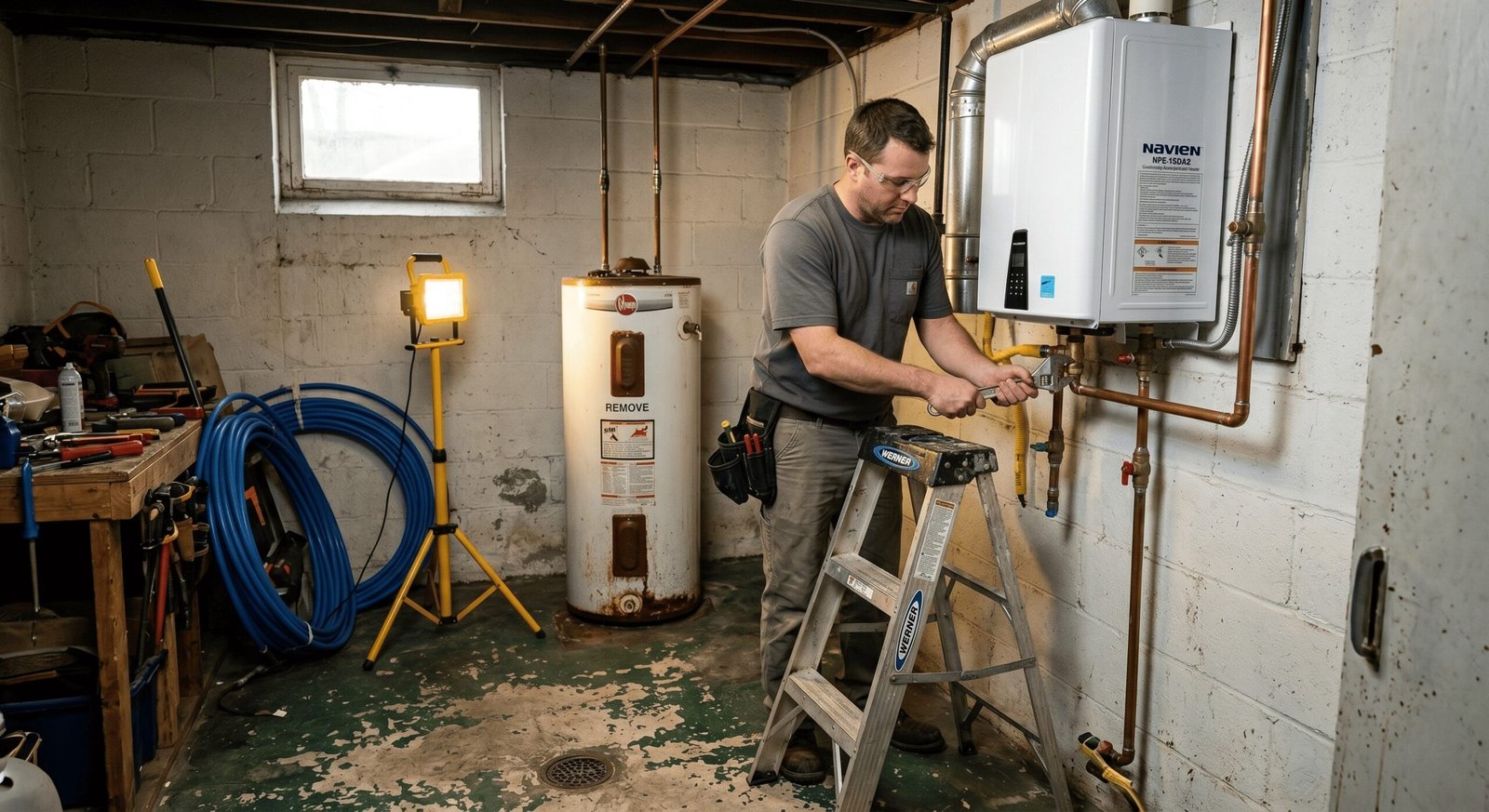
The City of Plano buys its treated water from the North Texas Municipal Water District, drawn mainly from Lavon Lake. It is safe, well treated water, and it is also moderately hard. Over years the minerals settle as scale in the bottom of a tank water heater, on electric elements, inside tankless heat exchangers and in faucet and shower cartridges. Scale is why a tank starts rumbling, why hot water runs out sooner than it used to, and why a tankless unit throws an error code it never used to.
Plano Plumbing will flush a tank, check the anode rod and descale a tankless unit as maintenance, and will tell you honestly when the tank itself is the problem. A tank that is leaking from the body, not a fitting or a valve, cannot be repaired, and one past about twelve years old is usually not worth a large repair.
Many Plano water heaters sit in the attic, which is fine until one leaks. An attic heater needs a working drain pan and a drain line that actually goes somewhere, and most of the ceiling damage we see from water heaters comes from a pan that was missing, rusted through or never piped out. Plano Plumbing checks both on every attic water heater call.
February 2021 And Frozen Pipes In Plano
North Texas houses are not built for a hard freeze, and the February 2021 storm proved it. Supply lines run through exterior walls, attics and garages with little insulation, and when temperatures stayed below freezing for days, pipes split across Plano. Some of those repairs were made in a hurry by whoever could be reached, and a hurried repair inside a wall can weep slowly for years before anyone sees a stain.
If your house took freeze damage in 2021 and you have a water bill that creeps up, a soft spot in drywall or a musty closet, it is worth having a plumber check the repairs. Before the next hard freeze, the basics are cheap: insulate exposed lines in the attic and garage, cover hose bibbs, know where your main shut off is, and open cabinet doors on exterior walls overnight.
Upfront Pricing From Plano Plumbing
The way plumbing is priced causes more complaints than the plumbing itself, so here is exactly how it works. When you call Plano Plumbing, the dispatcher tells you the diagnostic fee before anyone is sent. That fee covers a licensed plumber coming out and finding the actual cause, and it comes off the price in full if you go ahead with the repair. After hours, weekend and holiday rates are disclosed on the same call.
Once the cause is found, you get a written flat price for the job. You approve it before work starts, and the invoice matches it. Where a repair and a replacement are both reasonable, you get both prices and a straight answer about how long the cheaper one is likely to last.
Work is warrantied in writing: one year on labor as the baseline, two years on water heater and fixture installations, and three years on repipes and sewer line replacement. Manufacturer warranties are registered in your name. If something we did fails inside that period, a plumber comes back at no charge.
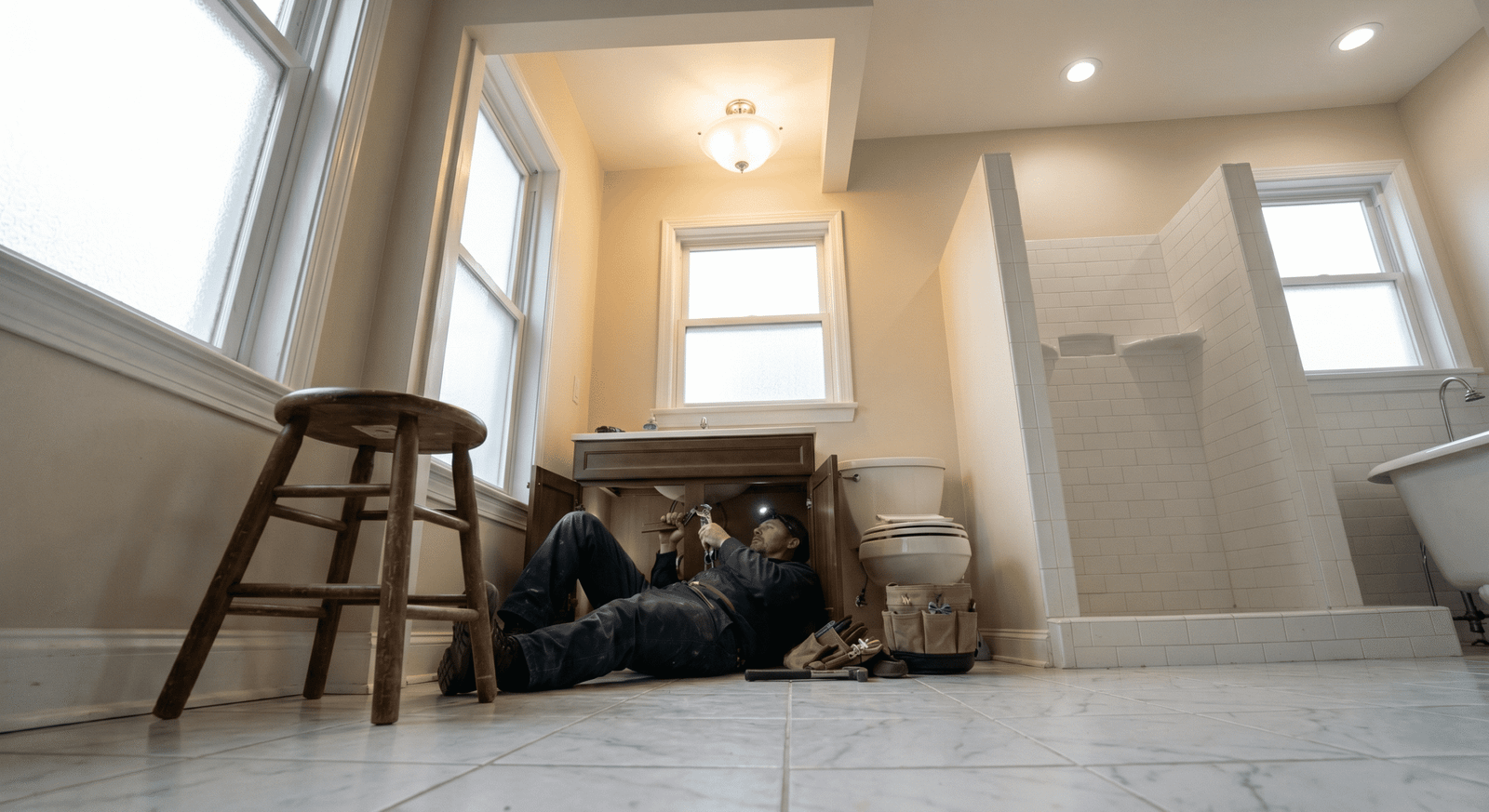
How A Plano Plumbing Visit Works
Call Or Book
Call the 24/7 line or send the form. A dispatcher answers, asks what is happening and quotes the diagnostic fee.
Arrival Window
You get a real arrival window on the phone. For active leaks, the dispatcher walks you to the main shut off while the plumber drives.
Diagnosis And Price
The plumber finds the cause, shows you, and writes a flat price. Nothing starts until you approve it.
Repair And Warranty
The work is done to code, permitted where Plano requires it, cleaned up after, and warrantied in writing.
Every Plano ZIP Code, And Next Door
Plano Plumbing covers the whole city, ZIP codes 75023, 75024, 75025, 75074, 75075, 75093 and 75094, from downtown and the east side out to Legacy, Willow Bend and the Collin County line. The same line also covers the neighboring cities below, so the Plano Plumbing crew you already use can come to a rental in Richardson or a parent's house in Allen.
Plano
Primary service area
Richardson
Same day
Allen
Same day
Carrollton
Same day
Frisco
Same day
Addison
Same day
The Colony
Same day
Garland
Same day
Plano Plumbing Questions
For an emergency such as an active leak, a sewer backup or no water, call rather than using the form. The dispatcher gives you an arrival window on the phone based on which plumber is closest, and stays on the line to help you shut the water off if you need to. Scheduled work in Plano is normally same day or next day.
Yes. There is a diagnostic fee for a licensed plumber to come out and find the cause, and you are told the amount on the phone before anyone is sent. It comes off the price in full if you go ahead with the repair. Phone advice costs nothing.
Yes. Work booked through Plano Plumbing is performed under Texas State Board of Plumbing Examiners license 47173, with Jared J. Allen as Responsible Master Plumber, and the technicians are employees working under that license, not subcontractors. Any Texas plumbing license can be checked in a minute on the TSBPE website, and you should check it before letting anyone open a wall.
If it was built between roughly 1978 and 1995 and has never been repiped, it may. Polybutylene is a gray, flexible plastic supply line, often visible at the water heater or under sinks. It fails from the inside without warning, so Plano Plumbing will usually recommend a planned repipe rather than waiting for the leak.
Plano water is moderately hard, so scale builds up in tanks and tankless heat exchangers faster than the box rating assumes. Flushing a tank once a year and checking the anode rod extends its life. A tank leaking from the body itself cannot be repaired and should be replaced.
Yes, where the City of Plano requires one, which includes water heater replacements, repipes, sewer line replacement and gas line work. The permit and inspection protect you when you sell the house.
Usually. The leak is located precisely with acoustic and pressure equipment first, so any opening is small and in the right place. Often the better answer is to reroute that line through the attic or walls and leave the slab alone. You are shown the options and prices before anything is cut.
Yes. Offices, restaurants, retail and multi family properties, including water heater banks, grease line jetting and backflow testing, scheduled around your hours where the job allows.
Request A Plumber In Plano
Tell us what is going on and a dispatcher calls you back with an arrival window. For water that is actively running or sewage coming up into the house, call instead: the line is answered 24 hours a day.
24/7 Plumbing Line (817) 442-6271